

 Share
Share
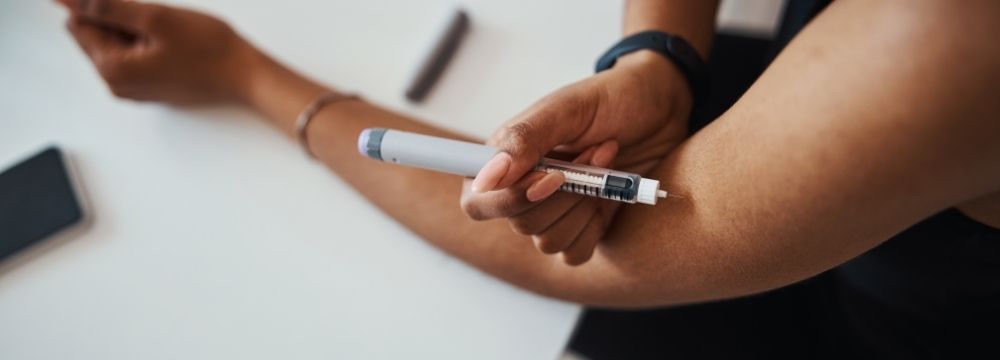
If you were to buy into the marketing hype around GLP-1 drugs like Wegovy and Zepbound, you might believe they are a panacea for every patient who needs to lose weight, regardless of BMI.
If you dig deeper into the data behind the hype, you begin to see exactly where GLP-1 drugs can be most effective. Before we get too far, let’s acknowledge that GLP-1 medications are a major advancement in obesity treatment. Used alone or in combination with other therapies, these medications can help patients lose a substantial amount of weight while achieving significant health improvements.
In this article, we’ll explore who the ideal candidates are for GLP-1 therapy, examine how BMI affects results, and discuss when these drugs are best considered as a complement rather than a primary approach.
General thoughts on BMI
GLP-1 medications are generally best suited for patients with a BMI of 27.5 or higher, up to around 40. Used as a primary weight loss approach, many patients can expect to lose 10-25% of their body weight – an amount that often improves or even resolves obesity-related health conditions. Beyond this BMI range, however, it becomes increasingly unlikely that patients will achieve the level of weight loss necessary for the health outcomes they and their care team hope for with the medication alone.
Weight regain after stopping GLPs
GLP-1 medications work really well as a primary weight loss mechanism – as long as you’re on them. Research shows that patients regain most, if not all, of their weight within the first year after discontinuing the medication, especially if lifestyle changes aren’t adhered to.1
Your ability and willingness to adopt lasting diet and exercise changes to maintain weight loss after stopping the medication are major factors. For this reason, it’s best to work closely with your primary care physician or weight loss specialist to develop a plan that supports long-term success and minimizes the risk of weight regain.
GLP-1 meds in preparation for surgery
One strategic use for GLP-1 meds is in preparing for an upcoming surgery. In elective or semi-elective procedures, most surgeons prefer to operate on patients with a BMI well below 40 to avoid complications. This can include hernia repairs, orthopedic procedures, and other surgeries that may not be emergencies or urgent.
That’s not to say your surgery is going to be completely off-limits if your BMI is above 40 – there is some leeway to this. For instance, a patient who is actively losing weight as they pass through the 42 or 43 BMI level may still be considered for surgery. But GLP-1 therapy can be highly effective in helping patients shed enough weight to make surgery safer and increase the likelihood of success.
Consider hernia repair surgery, for example. Excess weight significantly increases the risks associated with that procedure: anesthesia becomes more dangerous, wounds take longer to heal, infections are more likely, and hernias are more prone to recurrence with a higher BMI. Unless the hernia is severe and urgently needs to be addressed – like when tissue is trapped within the defect – losing weight first is usually the recommended and safer route before surgical repair.
For many patients with a BMI of around 45, a bariatric procedure may be the most suitable approach. But for those hesitant to go under the knife, GLP-1 therapy can be a bridge, helping them reach a safer BMI bracket and giving surgeons a better starting point for a successful operation.
Pre- and post-bariatric surgery
It may seem counterintuitive, but GLP-1 therapy is valuable both before and after bariatric surgery. Before surgery, these medications can help patients with very high BMIs shrink their liver, improve overall metabolic health, and optimize conditions in the abdomen – steps that make the procedure safer and reduce the risk of complications. This “pre-surgery prep” can be particularly helpful for patients who may otherwise face higher surgical risks.
After surgery, GLP-1 meds can benefit those who aren’t losing weight as quickly or as much as expected. They can also be a boost when weight loss plateaus. When well tolerated, they provide an additional support mechanism to help patients maintain momentum and move closer to their health and wellness goals.
A patient with diabetes
Surprisingly, GLP-1 drugs are not new – medications like Mounjaro and Ozempic have been used for many years to treat type 2 diabetes. The jump from diabetes treatment to weight management was not a change in formulation, but rather an increase in dose.
Researchers and practitioners noticed that one of the side effects of these diabetes medications was weight loss, which led to FDA approval for that indication. Patients with poorly controlled diabetes can experience both improved blood sugar control and meaningful weight reduction through GLP-1 therapy. As a result, even patients below the typical BMI threshold for GLP-1 as a weight loss treatment may still benefit from the same active ingredient.
Side effects
Of course, the use of GLP-1 meds largely depends on how well patients tolerate their side effects, and almost every drug comes with some. While most side effects are mild and tend to dissipate with time, GLP-1 medications are associated with additional issues such as gallbladder disease, pancreatic inflammation, and gastroparesis. More recently, rare cases of blindness in a small number of people have been reported. There is also possible evidence suggesting a higher risk of depression, anxiety, and, potentially, suicidal thoughts (though some reports show antidepressant potential).
These side effects don’t affect everyone equally. Patients who are likely to benefit and have no immediate contraindications should still discuss these potential complications with their doctor. Any of these side effects can impact both the experience of taking the medication and long-term weight loss or maintenance, so open discussions need to be had.
What are the alternatives?
Today, we have ever more effective and safer procedures available to patients with obesity, including endoscopic and surgical bariatric options.
Endoscopy, where the procedure is performed entirely through the mouth and esophagus, is indicated in a small subset of patients and typically leads to durable weight loss similar to that of gastric bypass.
Bariatric surgery, on the other hand, is still the best and most effective option for patients with morbid obesity, especially those with a BMI over 40, or a BMI over 35 with associated comorbidities like hypertension, hyperlipidemia, and diabetes. Today, patients have more options than ever, including gastric sleeve, gastric bypass, duodenal switch, and single-anastomosis procedures. Each can be highly effective depending on a patient’s individual circumstances.
Of course, the decision to pursue GLP-1 therapy, an endoscopic procedure, or bariatric surgery is a deeply personal one; consult a qualified weight loss specialist. Ideally, this specialist works within a multidisciplinary practice and is experienced in all available interventions, allowing patients to receive guidance on the full spectrum of options tailored to their unique needs.
We encourage patients to contact the team at Bariatric Specialists of the Carolinas to explore their weight loss options, understand the role of GLP-1 medications, and learn how these therapies compare to other surgical or non-surgical interventions. This consultation can provide a clearer picture of which approach, or combination of techniques, may be most effective.
- Quarenghi, M., Capelli, S., Galligani, G., Giana, A., Preatoni, G., & Turri Quarenghi, R. (2025). Weight Regain After Liraglutide, Semaglutide or Tirzepatide Interruption: A Narrative Review of Randomized Studies. Journal of clinical medicine, 14(11), 3791. https://doi.org/10.3390/jcm14113791.